Fungal acne (Malassezia folliculitis) looks like acne but is caused by yeast, not bacteria. It often persists or worsens with standard acne products, which is why the right diagnosis matters.
It tends to flare in warm weather and in people who exercise often, because heat and sweat help yeast multiply.
What Does Fungal Acne Look Like?
Fungal acne typically appears as small, uniform bumps that may be itchy and commonly affect the forehead, chest, back, and shoulders. Unlike regular acne, these breakouts do not usually contain blackheads or whiteheads and often appear in clusters rather than isolated spots.
Why Does Fungal Acne Occur?
Fungal acne develops when yeast naturally present on the skin begins to multiply excessively. Factors such as excessive sweating, occlusive skincare products, tight clothing, hormonal changes, or a weakened skin barrier can create an environment that allows yeast to thrive.
How Is It Treated?
Treatment focuses on restoring balance to the skin and reducing yeast overgrowth. This may include antifungal therapies, targeted professional treatments, and adjustments to skincare routines. Results improve significantly once the correct approach is applied.
Fungal Acne vs. Regular Acne: How to Tell the Difference
Fungal acne (malassezia folliculitis) is not true acne. It is an overgrowth of yeast in the hair follicles. Regular acne is driven by oil, clogged pores and bacteria. The difference matters, because many acne products, especially antibiotics, do not help fungal acne and can make it worse.
- Fungal acne bumps are small, similar in size and often itchy. Regular acne varies in size and includes blackheads, whiteheads and deeper cysts.
- Fungal acne usually appears on the chest, upper back, shoulders and forehead. Regular acne is more common on the cheeks, chin and jawline.
- Fungal acne often flares in heat, humidity and after sweating.
Common Triggers
- Hot, humid weather and long workouts in tight clothing.
- Staying in sweaty clothes after exercise.
- Heavy, oily skincare products and some hair oils.
- Recent antibiotic use, which can upset the balance of skin microbes.
- A weakened immune system or diabetes.
Everyday Habits That Help
Shower soon after sweating and change into dry clothes. Choose lightweight, oil-free moisturizers and sunscreen. Wash pillowcases and towels often. Avoid picking or squeezing the bumps, as this can lead to irritation and marks.
When to See a Doctor
Fungal acne is diagnosed by a doctor, sometimes with a simple skin test. See your family doctor if the bumps do not improve after a few weeks of good skin habits, spread quickly, or are painful. Prescription treatment may be needed.
How We Can Help at Velora
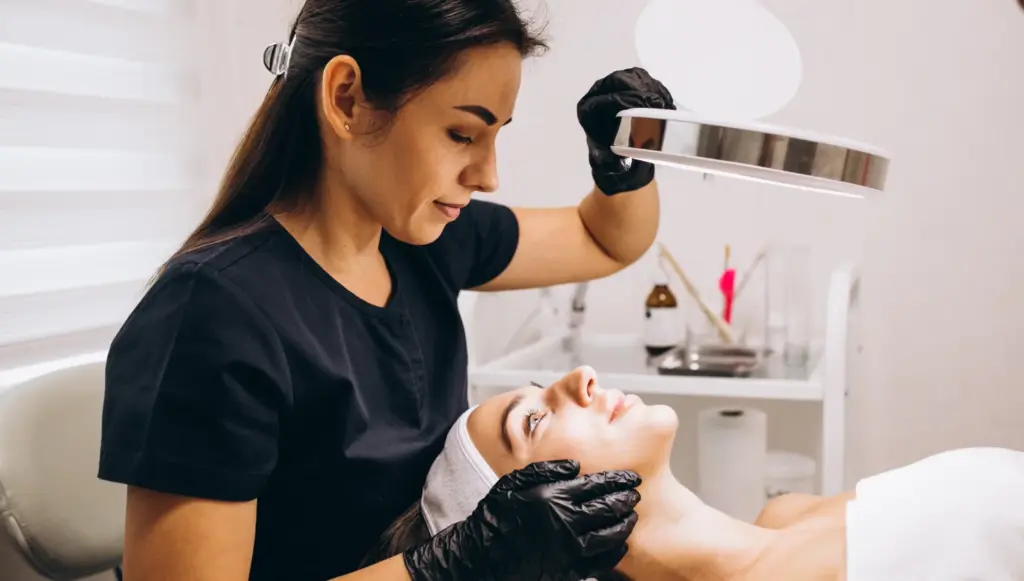
Once a doctor has confirmed the diagnosis and the flare has settled, our nurse can help you build a gentle routine and improve skin texture with treatments such as a deep cleansing facial. If you also have marks from past breakouts, we can talk about microneedling at a later stage. Book a consultation at our Richmond Hill clinic.
Final Thoughts
With the right diagnosis and treatment plan, fungal acne can be effectively managed and cleared. If you’ve tried traditional acne treatments without success, a professional consultation can help identify the root cause and guide you toward the right solution.
Frequently Asked Questions
Is fungal acne contagious?
No. Fungal acne is caused by an overgrowth of yeast that normally lives on everyone’s skin, so it does not spread from person to person.
Can regular acne products make fungal acne worse?
They can. Antibiotic creams and pills used for regular acne do not treat yeast and can sometimes make fungal acne worse. This is why a diagnosis from a doctor matters before you start treatment.
Does fungal acne come back?
It often returns, especially in hot and humid weather or after long workouts. Your doctor may suggest a maintenance routine, and simple habits such as showering soon after sweating help lower the risk of new flares.
Sources
- Fungal acne (Malassezia folliculitis), Cleveland Clinic
- Pityrosporum (Malassezia) folliculitis, Cleveland Clinic
- Malassezia (Pityrosporum) folliculitis, review, National Library of Medicine (PMC)
This article is for general information only and is not a substitute for medical advice. For diagnosis or treatment, please talk to your doctor or book a consultation at Velora Skin Clinic.