
Medical skin care
Complimentary First Consultation · $50 off your first treatment Free consultation · $50 off your first treatment

Medically reviewed by Rana Jabrayilova, RPN · Last updated: November 5, 2026
At a glance
Skin tags (acrochordons) are small, soft, benign growths that hang from the skin on a thin stalk. They usually appear where skin rubs against skin or clothing: the neck, underarms, eyelids, chest, under the breasts and in body folds. They become more common with age, weight gain, pregnancy, diabetes and a family history of them.
Most tags are harmless. People come to us because a tag catches on a necklace, collar or razor, gets irritated and bleeds, or simply bothers them. At Velora Skin Clinic in Richmond Hill, we assess each growth first and remove it only when it looks like a typical, harmless tag.
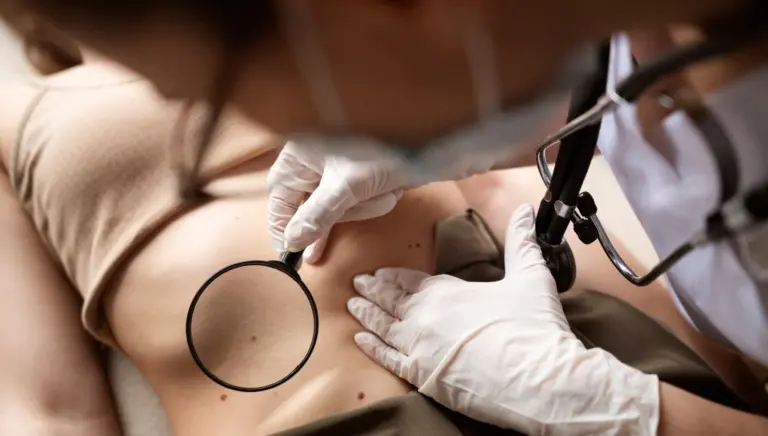
Neck and underarms. These are the most common areas. Tags here rub on collars, bra straps and seat belts, and several small ones can usually be treated in one visit.
Face. On the face, we choose the gentlest suitable method and pay close attention to healing and pigmentation, especially on darker skin.
Eyelids. Growths on or right next to the eyelid edge need extra care. We assess them first, and if a tag is too close to the eye, we refer you to an eye specialist.
Chest and body folds. Tags under the breasts, in skin creases and on the chest are often irritated by sweat and friction and are treated the same way.
The method depends on the size, location and shape of the growth:
Most visits take 15 to 30 minutes, and you can return to work or your usual activities the same day.
What about laser skin tag removal? We do not use a laser for skin tags. For typical tags, electrocautery, cryotherapy and snip removal work well in one short visit.
A skin tag is soft, smooth, skin-coloured or slightly darker and hangs from a stalk. It is not contagious. A wart is firm and rough, sits flat or raised on the skin and is caused by a virus (HPV), so it can spread. The treatment is different, so if you are not sure which one you have, book a visit and we will check it. For warts on the hands, feet or face, see our wart removal page.
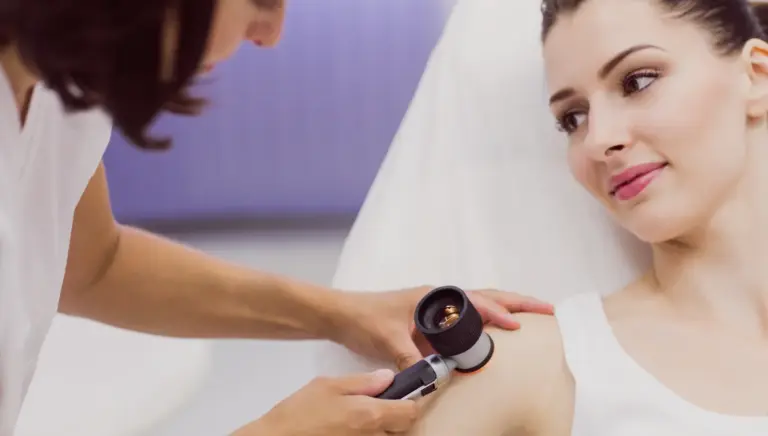
A mole is a flat or raised spot made of pigment cells, usually brown and firmer than a tag. We do not remove moles: a mole that changes or bothers you should be checked by your family doctor or a dermatologist.
A growth that changes quickly, bleeds without injury, has an irregular colour or border, or looks unusual is not removed for cosmetic reasons. In that case, we recommend seeing your family doctor first.
Many people start by searching for a skin tag doctor near me. For a typical, harmless skin tag, no referral is needed. At Velora, removal is done by a Registered Practical Nurse after an assessment, so you can book a short visit without waiting for a specialist.
A dermatologist or your family doctor is the right choice when a growth is unusual: it changes quickly, bleeds without injury, has an irregular colour or border, or you are not sure it is a skin tag. We do not remove those growths and recommend a medical assessment first.
Cutting, tying off or burning a tag at home can cause bleeding, infection and scarring, and you may remove a growth that should have been checked. The U.S. FDA warns that unapproved mole and skin tag removal products can injure the skin and leave scars (FDA consumer update).
Mild redness and a small scab are normal. Contact us if you notice spreading redness, pus, warmth or bleeding that does not stop.
In Ontario, OHIP does not cover the removal of benign skin tags for cosmetic reasons. Some private health plans may cover part of the cost, so check with your insurer before your visit.
Treatment is provided by Rana Jabrayilova, Registered Practical Nurse (RPN). See her training and credentials. Last reviewed: October 2026.
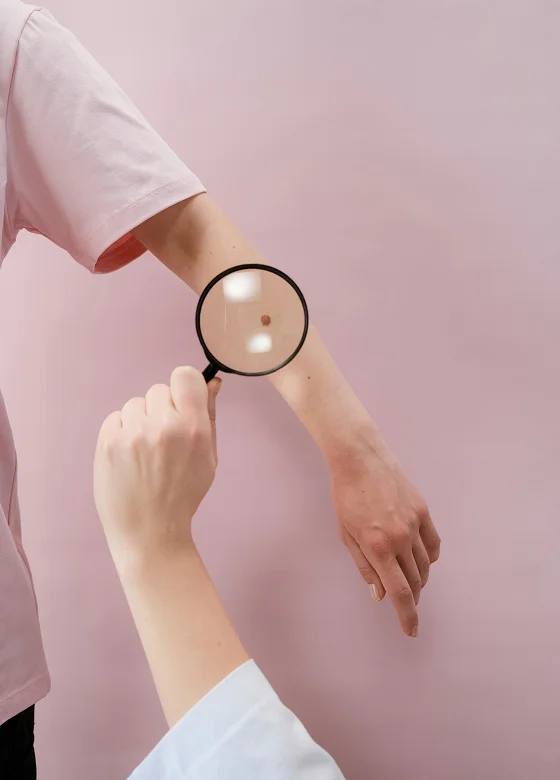
Skin tag removal may not be suitable if the growth looks suspicious, has changed quickly, bleeds without irritation, has irregular color or shape, or may require medical diagnosis before removal. In those cases, referral or medical evaluation may be recommended.
If you are looking for skin tag removal near me in Richmond Hill or York Region, you can book a short visit online and have your tags checked and removed in the same appointment when they are suitable.
The final cost depends on the number of skin tags, size, location, removal method and whether a consultation or follow-up is required.
Velora Skin Clinic is a nurse-led clinic at 12285 Yonge Street, Richmond Hill ON L4E 3M7. Every visit starts with an assessment and a clear explanation of the method, possible risks, aftercare and price before any treatment begins. We see clients from Richmond Hill, Aurora, Vaughan, Markham, Thornhill and Toronto.
Skin tags around the eyes are common, and they often bother people the most because they catch on glasses or make-up. A tag on the skin under the eye or on the outer eyelid can usually be removed after an assessment. A tag on the eyelid margin, at the lash line, needs an eye specialist, and we refer you to one.
Drugstore freezing kits, bands and creams are easy to buy, but they cannot confirm that a growth is really a skin tag, they often fail on larger tags, and they can leave marks on the face and neck. In the clinic, each tag is checked first, the method is chosen for its size and location, and everything is treated in one short visit.
Many clients have a few small tags on the neck or underarms. They can usually be removed in the same appointment, and the price depends on how many there are and how large they are. You get the quote before treatment starts. You book a set time online instead of waiting at a walk-in clinic, and clients come from Richmond Hill, Thornhill, Vaughan, Aurora and across York Region.
Areas we serve: clients come to our clinic at 12285 Yonge Street, Richmond Hill from Vaughan, Markham, Newmarket, Aurora and Thornhill. Each area page has travel times and the treatments most requested there.
Read more: New moles after 40: warning signs and when to see a doctor.